
If you’ve ever posted on Instagram or Facebook and watched a great piece of content disappear within 48 hours, you already understand the core problem Pinterest Marketing Services are built to solve.
Most social platforms are built around a feed that moves fast and forgets faster. Pinterest was never built that way. A single pin, designed and optimized correctly, can keep generating clicks to your website for months or even years after you published it. That single difference — permanence versus disappearance — is why so many bloggers, ecommerce brands, coaches, and digital product sellers are shifting real marketing budget toward Pinterest in 2026.
Pinterest Marketing Services exist because getting this right takes more than “pinning pretty pictures.” It requires SEO knowledge, design skill, an understanding of Pinterest’s search algorithm, and a consistent content system. This guide covers everything: what these services actually include, how Pinterest SEO works, what it costs to hire help, and how to decide whether Pinterest Management is the right investment for your business right now.
What Are Pinterest Marketing Services?
Pinterest Marketing Services are a combination of strategy, design, and search optimization work done to grow a business’s visibility, traffic, and sales through Pinterest.
Unlike a one-off design job, real Pinterest Marketing Services are ongoing. They typically combine:
- Pinterest SEO (keyword research and optimization)
- Profile and board setup or optimization
- Custom pin design
- A content and pinning strategy
- Monthly account management
- Performance tracking and reporting
A Pinterest Manager or Pinterest Marketing Agency handles some or all of these pieces, depending on what a business needs. Some brands only need a one-time strategy session and a set of templates they can use themselves. Others want a specialist running the entire account every month while they focus on their product or service.
The common thread across all of it: Pinterest Marketing Services are designed to turn Pinterest into a predictable, repeatable source of traffic — not a place to occasionally post when there’s time.
Pinterest Is a Visual Search Engine, Not a Social Network
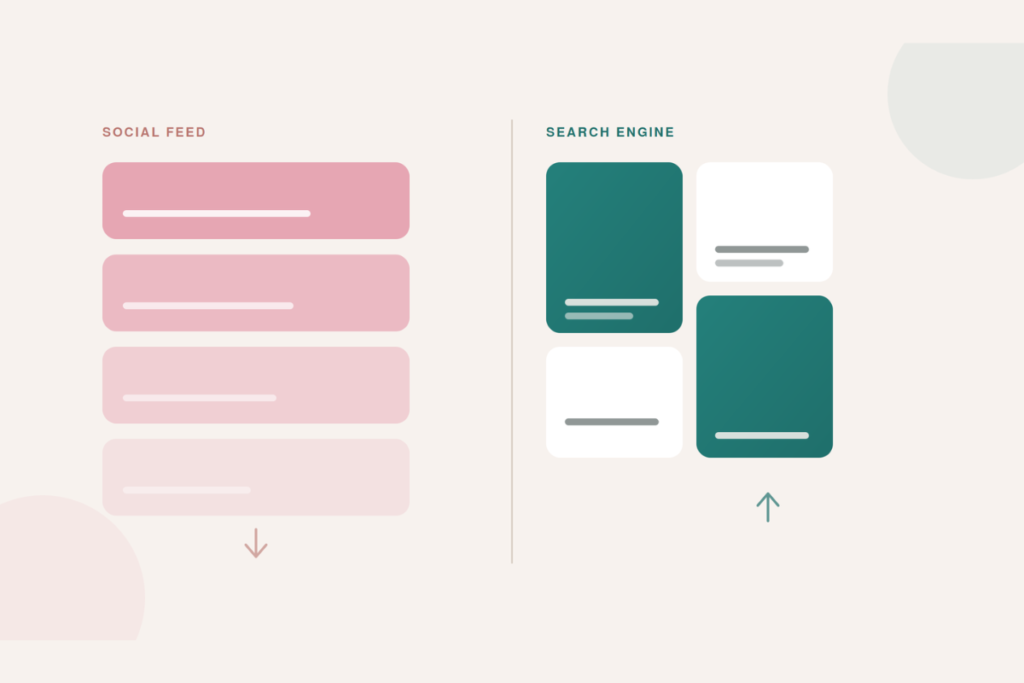
This is the single most important mindset shift for anyone starting Pinterest marketing.
On Instagram, content is shown mostly to people who already follow you, and it’s ranked by recency and engagement speed. On Pinterest, content is matched to what someone is actively searching for — much closer to how Google works than how Instagram works.
Here’s what that means in practice:
- A pin doesn’t need thousands of followers to perform. It needs to match what people are typing into Pinterest search.
- Pins can keep getting impressions and clicks for months after publishing, because Pinterest treats them more like indexed web pages than like time-sensitive posts.
- Growth on Pinterest is driven by keywords, not by follower count, hashtag trends, or posting at the “right” time of day.
- People come to Pinterest already in a planning or buying mindset — searching for recipes, home projects, outfit ideas, business tools, or products to purchase. That’s very different from the passive scrolling mindset on most social feeds.
This is why Pinterest is often described as a hybrid between a search engine and a visual discovery platform. Businesses that treat it like Instagram — focusing on aesthetics and posting frequency alone — tend to plateau. Businesses that treat it like SEO tend to see compounding growth.
Why Businesses Invest in Pinterest Marketing
There are a few concrete reasons Pinterest keeps showing up in serious marketing budgets, not just as a “nice to have.”
Traffic doesn’t disappear overnight. Unlike a Reel or a tweet, a well-optimized pin can continue driving clicks to a website long after publishing. This gives Pinterest marketing a compounding effect — every month adds to the last instead of starting from zero.
Pinners are in a buying and planning mindset. People use Pinterest to plan purchases, projects, and life events. That intent-driven behavior makes Pinterest traffic convert differently than casual social scrolling traffic.
It’s a direct traffic channel to your own website. Pinterest sends users off-platform far more readily than most social networks, which is exactly what bloggers, ecommerce stores, and digital product sellers need — traffic that lands on pages they control and can monetize.
Lower competition than Google in many niches. While Google search results in competitive niches are dominated by large, established sites, Pinterest search still rewards well-optimized, well-designed pins regardless of how new the account is.
It scales without constant content creation. A strong Pinterest system relies on repurposing existing blog posts, products, and offers into new pin designs — not necessarily creating brand-new content every single day like other platforms often demand.
None of this means Pinterest is “easy” or automatic. It means the effort put into Pinterest tends to have a longer shelf life than effort put into faster-moving platforms.
Who Should Hire a Pinterest Manager?
Not every business needs to outsource Pinterest. But there are clear signals it’s time to bring in help.
You’re likely a good fit for Pinterest Management Services if:
- You have a website, blog, Etsy shop, or online store but Pinterest is sending little to no traffic
- You’re pinning inconsistently or not at all because you don’t have time
- You’ve tried Pinterest yourself and aren’t sure why it isn’t working
- You understand your product or content but don’t have design skills to create scroll-stopping pins
- You want Pinterest to become a real traffic channel, not a side project
- You’d rather spend your time on your product, clients, or content than learning an entirely new search algorithm
On the other hand, if you’re just starting out with very limited budget, a strong first step can be learning the fundamentals yourself or using done-for-you templates before committing to full monthly management. A good Pinterest Marketing Agency should be honest with you about which stage you’re at — not push a large monthly retainer on a brand that isn’t ready for it yet.
The Complete List of Pinterest Marketing Services

Here’s a detailed breakdown of what’s typically included when you hire a Pinterest Manager or agency, and why each piece matters.
Pinterest Account Audit
Before any strategy work begins, a proper audit reviews the current state of the account: profile setup, board structure, past pin performance, keyword usage, and any technical issues like an unclaimed website or missing Rich Pins. This audit becomes the baseline for every decision made afterward — without it, strategy is just guesswork.
Pinterest SEO
Pinterest SEO is the practice of optimizing profiles, boards, pin titles, descriptions, and even image text so that Pinterest’s algorithm understands exactly what your content is about and shows it to the right searchers. This touches nearly every other service on this list, because SEO isn’t a single task — it’s woven into design, copywriting, and account structure together.
Keyword Research
Every strong Pinterest strategy starts with knowing what your audience is actually typing into Pinterest search. This involves using Pinterest’s own search bar, guided search suggestions, and Pinterest Trends to identify high-intent, relevant keywords — then organizing them by topic so they can be used consistently across boards, pins, and descriptions.
Pinterest Profile Optimization
Your profile name, bio, and featured boards are prime keyword real estate. A optimized profile clearly tells both Pinterest and human visitors what your business does, uses relevant keywords naturally, and is set up to build trust — including a claimed website, business account status, and a clear profile photo.
Board Optimization
Boards act like categories that help Pinterest understand the overall topics your account covers. Optimization means choosing clear, keyword-rich board names and descriptions, organizing boards logically, and removing outdated or irrelevant boards that dilute topical focus.
Pin Design
Pin design is where strategy meets visual execution. Strong pins use readable text overlay, high-contrast colors, a clear focal point, and a design that stands out in a busy feed — all while staying true to a brand’s visual identity. This is not decoration; well-designed pins directly affect click-through rate.
Custom Pin Creation
Beyond one-off designs, this refers to building a full set of on-brand pin templates and variations for each piece of content or product, so that every blog post or listing has multiple pins testing different headlines, colors, and layouts.
Pinterest Strategy
Strategy ties everything together: which content gets pinned, how often, to which boards, and how new pins support business goals like email signups, product sales, or blog traffic. A real strategy is documented and tied to measurable outcomes, not just a vague plan to “post more.”
Monthly Management
This is the ongoing, hands-on execution — creating and scheduling new pins consistently, monitoring performance, adjusting based on what’s working, and keeping the account active without the business owner having to think about it week to week.
Pinterest Analytics
Tracking impressions, saves, outbound clicks, and top-performing pins over time is how a Pinterest strategy improves instead of staying static. Good analytics work isn’t just reporting numbers — it’s using that data to inform what gets created and pinned next.
Pinterest Growth
This refers to the compounding increase in impressions, followers, and — most importantly — outbound clicks to your website that comes from consistent, SEO-driven pinning over time. Growth on Pinterest should always be measured by traffic and conversions, not just follower count.
Content Planning
A content calendar maps out which existing (or upcoming) blog posts, products, or offers will be turned into pins each month, ensuring a steady mix of fresh and repurposed content rather than scrambling for ideas.
Idea Pins
Idea Pins are Pinterest’s native multi-page format, similar to Stories, designed to stay within the Pinterest app. They’re useful for engagement and discoverability but, unlike standard pins, typically don’t link out to a website — so they play a supporting role rather than being the main traffic driver.
Rich Pins
Rich Pins automatically pull extra information — like a blog post’s headline, an article’s description, or a product’s price and availability — directly from your website’s metadata. Setting these up correctly gives pins more context and credibility in the feed.
Scheduling
Using an approved scheduling tool (such as Pinterest’s native scheduler) to publish pins at a steady, spaced-out pace, since a slow and consistent rhythm tends to perform better than large, inconsistent bursts of pinning.
Pinterest Trends
Pinterest publishes seasonal and emerging trend data that shows what people are starting to search for weeks or months in advance. Factoring these trends into content planning helps a brand’s pins be ready right when search interest starts climbing.
The Complete Pinterest Marketing Process (Start to Finish)
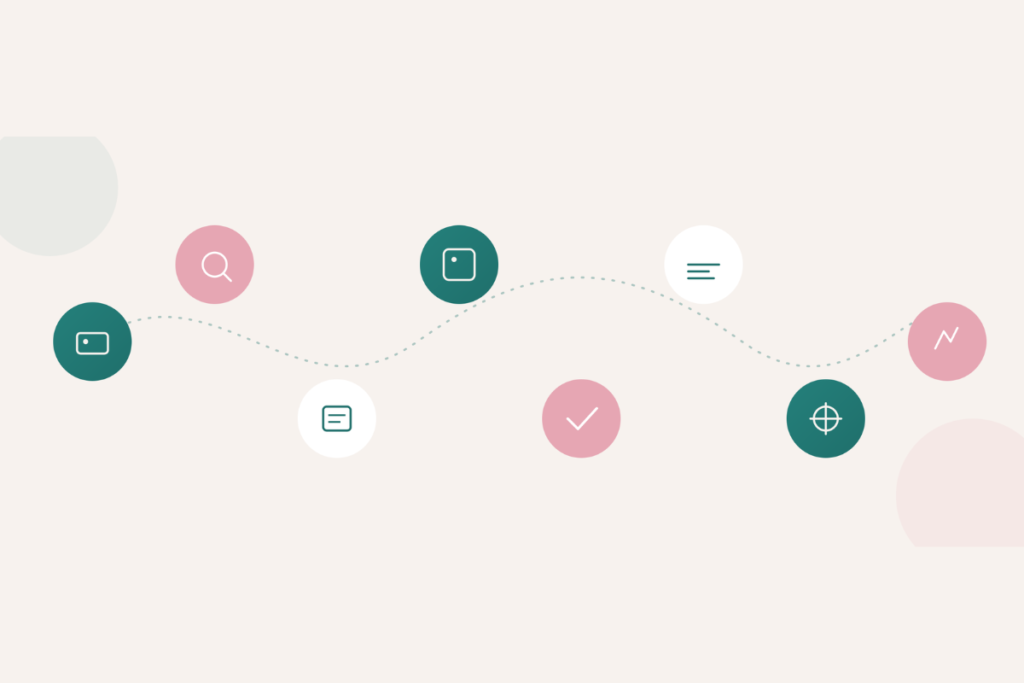
Here’s what a well-run Pinterest Management engagement typically looks like from the beginning:
1. Audit and research. Review the current account, competitors, and audience search behavior.
2. Keyword mapping. Build a master keyword list organized by topic and search intent.
3. Profile and board setup. Optimize the profile bio, claim the website, and structure boards around the keyword map.
4. Pin design system. Create on-brand templates so every new pin can be produced quickly and consistently.
5. Content and pinning calendar. Plan which content gets pinned, how often, and to which boards each week.
6. Consistent publishing. Execute the calendar using a scheduler, spacing pins out steadily rather than in bursts.
7. Monitor and analyze. Track impressions, saves, and outbound clicks weekly or monthly.
8. Refine and repeat. Double down on what’s working, retire what isn’t, and adjust the keyword and content strategy as Pinterest Trends shift.
This is a cycle, not a one-time project. Pinterest rewards accounts that stay consistent over months, not accounts that pin heavily for two weeks and then go quiet.
How Pinterest SEO Actually Works
Pinterest SEO works on the same core principle as any search engine: match content to what people are searching for, using clear, relevant language in the places the algorithm reads.
The algorithm looks at several signals, including:
- Pin titles and descriptions — keyword-rich, natural language that clearly describes what the pin links to
- Board titles and descriptions — reinforcing the topic of the pins placed within them
- Text on the pin image itself — Pinterest can read text within images, so this should also reflect the topic
- Website content — since Pinterest often factors in the landing page the pin links to, not just the pin itself
- Engagement over time — saves and outbound clicks signal to Pinterest that a pin is genuinely useful, which helps it get shown to more people
Unlike Google, where backlinks and domain authority carry enormous weight, Pinterest gives newer accounts a real chance to rank well if the keyword targeting and pin quality are strong. This is part of why Pinterest SEO Services are such high-leverage work for smaller and newer brands — the playing field is far more level than it is in traditional Google SEO.
Keyword Research for Pinterest
Pinterest keyword research starts inside Pinterest itself, not with external SEO tools built for Google.
A solid process looks like this:
- Type broad seed terms into Pinterest’s search bar and record the autocomplete suggestions — these come directly from real user searches
- Use Pinterest’s guided search pills (the colored category buttons that appear after a search) to find related subtopics
- Check Pinterest Trends to see which terms are rising in a given season or niche
- Group keywords by topic, not just by volume, so boards and content stay organized around clear themes
- Prioritize specific, descriptive phrases over single broad words — a search like “capsule wardrobe for petite women” tells you far more about intent than just “wardrobe”
The goal isn’t to stuff as many keywords as possible into a description. It’s to write naturally while making sure the important terms your audience is actually searching for appear clearly in the right places.
Understanding the Pinterest Algorithm
Pinterest’s algorithm exists to do one job: match the right pin with the right searcher or browser at the right moment. A few principles matter most:
- Freshness matters, but so does relevance. Pinterest does favor newly created pins to some degree, which is why a steady stream of new designs (even for existing content) tends to outperform pinning the same image repeatedly.
- Quality signals compound. Pins that get saved and clicked start ranking higher for their target keywords, which leads to more visibility, which leads to more saves and clicks — a genuine compounding loop.
- Account-level trust plays a role. Consistent, spam-free activity, a claimed and verified website, and adherence to Pinterest’s guidelines all support how widely an account’s content gets distributed.
- It rewards native, on-platform behavior. Content that keeps users engaged within Pinterest (like Idea Pins) is valued differently than content optimized purely to send users off-platform, so a balanced content mix tends to perform best.
Common Pinterest Marketing Mistakes
Most Pinterest accounts that “don’t work” fail for a handful of predictable reasons:
- Treating it like Instagram — focusing on aesthetics and posting frequency while ignoring keywords entirely
- Inconsistent pinning — publishing heavily for two weeks, then disappearing for a month
- Vague pin titles and descriptions — using generic phrases like “check this out” instead of clear, keyword-rich language
- Low-contrast, text-heavy, or hard-to-read pin designs that get scrolled past
- Linking to low-quality or slow-loading landing pages, which hurts conversion even when the pin itself performs well
- Never checking analytics, so the same mistakes get repeated month after month
- Using an unclaimed website or skipping Rich Pins setup, which weakens Pinterest’s ability to understand and trust the linked content
- Ignoring seasonal lead time — Pinterest users plan ahead, so pinning holiday content the week of the holiday is usually too late
Avoiding these mistakes alone puts an account ahead of a large share of the competition.
How Pinterest Marketing Increases Website Traffic
Pinterest increases website traffic by acting as a discovery layer that sits on top of your existing content. Every blog post, product page, or landing page becomes an opportunity for multiple pins, each one a new entry point for someone searching Pinterest to land on your site.
Because pins can stay active in search results for months, a single well-optimized piece of content pinned strategically can continue to send visitors long after the initial publish date — something that’s simply not true of most social platforms. Over time, as more pins accumulate and start ranking, this creates a steadily growing base of “always-on” traffic that doesn’t require daily posting to maintain.
How Pinterest Helps Bloggers
For bloggers, Pinterest is often the single highest-leverage traffic channel outside of Google, and for a good reason: it’s visual, search-based, and rewards evergreen content — exactly what most blog posts already are. A recipe, a printable, a how-to guide, or a roundup post can each be turned into several pins targeting slightly different keywords, multiplying the entry points into that one piece of content. This directly supports ad revenue, affiliate income, and email list growth, since more targeted visitors means more opportunities to convert.
How Pinterest Helps Ecommerce Stores
Ecommerce brands benefit from Pinterest’s strong connection to purchase intent — people don’t just browse Pinterest, they plan purchases on it. Product pins, especially with Rich Pins showing live pricing and availability, put a store’s inventory directly in front of shoppers who are actively looking for exactly that kind of product. This is particularly valuable for Shopify store owners looking to diversify away from paid ads alone.
How Pinterest Helps Digital Product Sellers
For creators selling templates, printables, courses, or other digital products, Pinterest works especially well because the platform’s audience is already searching for the exact solutions those products solve — think Canva template searches, planner searches, or “how to” queries that a digital product can directly answer. Because digital products typically have no shipping or inventory constraints, they scale beautifully alongside Pinterest’s ability to send high volumes of targeted traffic.
How Pinterest Helps Affiliate Marketers
Affiliate marketers benefit from Pinterest’s ability to place product-focused content in front of buyers who are actively comparing options or looking for recommendations. Roundup-style pins (“Best tools for…” or “Top picks for…”) tap directly into that comparison-shopping mindset, and because pins keep performing over time, a single well-placed affiliate link can continue generating commissions well beyond its first week.
How Pinterest Helps Coaches and Service Businesses
Coaches and service providers often underestimate Pinterest, assuming it’s only for physical products. In reality, Pinterest works well for any business built on content marketing — freebies, blog posts, quizzes, and lead magnets can all be pinned to drive traffic into an email list or booking funnel. For service businesses, Pinterest becomes a quiet, consistent top-of-funnel channel that feeds warm leads into the rest of the marketing system.
Pinterest Marketing vs Facebook Marketing
| Core function | Visual search engine | Social network |
| Content lifespan | Months, sometimes longer | Hours to a few days |
| Discovery | Keyword and interest-based search | Algorithm-driven feed, largely tied to existing connections |
| User mindset | Planning, researching, buying | Passive scrolling, catching up with connections |
| Best for | Evergreen content, products, long-term traffic | Community building, real-time engagement, paid ads |
Neither platform is objectively “better” — they serve different roles. Facebook tends to be stronger for community and real-time promotion; Pinterest tends to be stronger for long-term, compounding organic traffic.
Pinterest vs Instagram
| Discovery method | Search-based | Algorithm and follower-based |
| Content lifespan | Long (weeks to months) | Short (24–72 hours typically) |
| Follower dependency | Low — non-followers see content regularly | Higher — reach is more tied to existing audience and engagement |
| Primary use case | Planning, ideas, shopping | Entertainment, community, personal connection |
| Outbound traffic | Strong, built into the platform’s purpose | Limited — historically harder to drive users off-platform |
For businesses whose main goal is driving traffic to a website, Pinterest is generally the more efficient channel. Instagram remains valuable for brand personality and direct community engagement, which Pinterest isn’t really designed for.
Pinterest Organic vs Paid Ads
Organic Pinterest marketing relies on SEO, consistent pinning, and strong design to earn visibility for free over time. It takes longer to build momentum but creates a compounding asset — content keeps working without ongoing ad spend.
Paid Pinterest Ads (Promoted Pins) put content in front of a targeted audience immediately, which is useful for time-sensitive promotions, product launches, or accelerating growth on top of an already-solid organic foundation.
The strongest long-term approach usually combines both: a well-optimized organic foundation that keeps working indefinitely, with paid ads layered on top for specific, time-bound goals. Relying only on paid ads without organic SEO means traffic stops the moment the ad budget stops — organic is what builds a lasting asset.
DIY Pinterest vs Hiring an Expert
DIY Pinterest can work well for business owners who have the time to learn Pinterest SEO, keep up with design trends, and stay consistent month after month. It’s a reasonable starting point for very early-stage businesses with limited budget.
Hiring a Pinterest Manager or agency makes sense once the value of your time exceeds the cost of outsourcing, or once inconsistency has become the main thing holding your account back. An experienced Pinterest Manager brings pattern recognition from managing multiple accounts — spotting what works faster than most business owners can on their own, purely through trial and error.
The honest answer for most growing businesses: start DIY if budget is tight, but plan to bring in expert help once Pinterest is proven to be a channel worth investing in — because that’s exactly when consistency and optimization start to matter most.
Pinterest Marketing Pricing: What Affects the Cost
Pinterest Management pricing varies widely, and for good reason — the scope of work differs a lot from one engagement to another. Key factors that affect cost include:
- Scope of service — a one-time audit and strategy session costs far less than ongoing full monthly management
- Number of pins created per month — more custom designs and variations mean more production time
- Account size and complexity — a large ecommerce catalog takes more strategic work than a single-niche blog
- Level of involvement — fully done-for-you management typically costs more than a strategy-only or template-based package
- Experience level of the manager or agency — specialists with a proven track record generally price higher than generalists offering Pinterest as one of many services
Rather than looking for the cheapest option, it’s worth evaluating pricing against what’s actually included — strategy depth, design quality, and reporting transparency all matter more than a low monthly number.
How to Choose the Right Pinterest Marketing Agency
Not all Pinterest Marketing Agencies are equal. Here’s what separates a strong partner from a risky one:
- They lead with strategy, not just design. Pretty pins without SEO behind them rarely perform.
- They can explain their process clearly. If an agency can’t walk you through their keyword research and content planning approach, that’s a red flag.
- They show real examples or case studies relevant to a niche similar to yours.
- They set realistic expectations. Pinterest growth is a multi-month process — anyone promising instant viral results isn’t being straightforward.
- They provide regular reporting, so you can see impressions, saves, and outbound clicks — not just vague “growth.”
- Their own Pinterest presence looks professional — it’s a reasonable sign of the standard they’ll apply to your account.
Questions to Ask Before Hiring a Pinterest Manager
Before signing on with a Pinterest Manager or agency, it’s worth asking:
- What’s included in the monthly package, exactly?
- How many new pins will be created and published each month?
- Will you do keyword research specific to my niche and audience?
- How do you measure success — what metrics will I see in reporting?
- Do you design pins yourself, or is that outsourced?
- How long before I should expect to see meaningful traffic growth?
- Do you follow Pinterest’s current best practices and guidelines?
- What happens if I want to pause or cancel the service?
- Can I see examples of accounts you’ve managed?
- Will you also optimize my Pinterest profile and boards, or only create pins?
Clear, confident answers to these questions are a strong sign you’re talking to a genuine specialist rather than someone offering Pinterest as an afterthought.
Frequently Asked Questions
1. What do Pinterest Marketing Services actually include?
They typically include SEO keyword research, profile and board optimization, custom pin design, a content and pinning strategy, monthly account management, and performance analytics — either as a full package or as individual services depending on the provider.
2. How much do Pinterest Management Services cost?
Pricing varies based on scope, number of pins produced monthly, and the experience level of the manager or agency. It’s best to compare based on what’s included rather than price alone.
3. How long does it take to see results from Pinterest marketing?
Most accounts start to see meaningful traffic growth within a few months of consistent, SEO-driven pinning, though this varies by niche and starting point. Pinterest tends to reward sustained consistency over quick bursts.
4. Is Pinterest still worth it for businesses in 2026?
Yes — Pinterest continues to function as a search-driven discovery platform where content has a much longer lifespan than on most social networks, making it a strong long-term traffic channel for many types of businesses.
5. Do I need a business account to do Pinterest marketing?
Yes, a Pinterest business account is necessary to access analytics, Rich Pins, and advertising features, all of which are important for a real marketing strategy.
6. What’s the difference between a personal and business Pinterest account?
Business accounts unlock analytics, ad tools, and Rich Pins — features not available on personal accounts, and essential for tracking whether a Pinterest strategy is actually working.
7. How many pins should I post per day?
Consistency matters more than a specific number. A steady, spaced-out pinning rhythm using a scheduler tends to outperform sporadic large bursts of activity.
8. Can Pinterest marketing work without a blog or website?
It’s possible to use Pinterest to drive traffic to social profiles or marketplaces like Etsy, but pairing it with an owned website generally creates stronger, more sustainable long-term results.
9. Do I need to hire a designer for Pinterest, or can I do it myself?
Many business owners start by designing pins themselves using templates, then move to hiring a designer or manager once they want to scale consistency and free up their own time.
10. What’s the difference between Pinterest SEO and Google SEO?
Both rely on keyword matching and relevance, but Pinterest weighs visual design, saves, and on-platform engagement more heavily, while Google places more emphasis on backlinks and overall site authority.
11. How does Pinterest help increase blog traffic specifically?
Each blog post can be turned into multiple pins targeting different keywords, creating several entry points into that content that can continue to drive visitors for months after publishing.
12. Are Idea Pins good for driving website traffic?
Idea Pins are primarily designed to keep users on Pinterest and generally don’t link out to a website, so they’re better suited for engagement and visibility than for direct traffic generation.
13. What are Rich Pins and why do they matter?
Rich Pins automatically sync extra information from a website — like article headlines or product pricing — directly onto the pin, adding context and credibility that can improve performance.
14. Should I use Pinterest ads or focus on organic growth first?
Building a strong organic SEO foundation first is generally recommended, since it creates lasting value; paid ads work best as a booster layered on top of that foundation rather than a replacement for it.
15. How do I know if my Pinterest strategy is actually working?
Track impressions, saves, and — most importantly — outbound clicks to your website over time in Pinterest Analytics. Rising outbound clicks are the clearest sign that Pinterest is genuinely driving business results.
Conclusion
Pinterest rewards the businesses that treat it seriously — with real keyword research, thoughtful design, and consistent execution — not the ones that treat it as an afterthought. The upside is that Pinterest genuinely levels the playing field: a smaller or newer brand with a strong SEO-driven strategy can outperform a much larger competitor who’s ignoring Pinterest search entirely.
If you’d rather focus on running your business than learning and managing an entirely new search algorithm, that’s exactly where PinDesignCo comes in. We handle the strategy, the SEO, and the design — building a Pinterest presence engineered to send consistent, long-term traffic to your website.
Ready to turn Pinterest into a real traffic channel for your business? Get in touch with PinDesignCo to talk through a strategy built around your goals.
Pingback: Pinterest SEO Services | Expert Pinterest Optimization